Three Things to Figure Out Before Choosing a Model
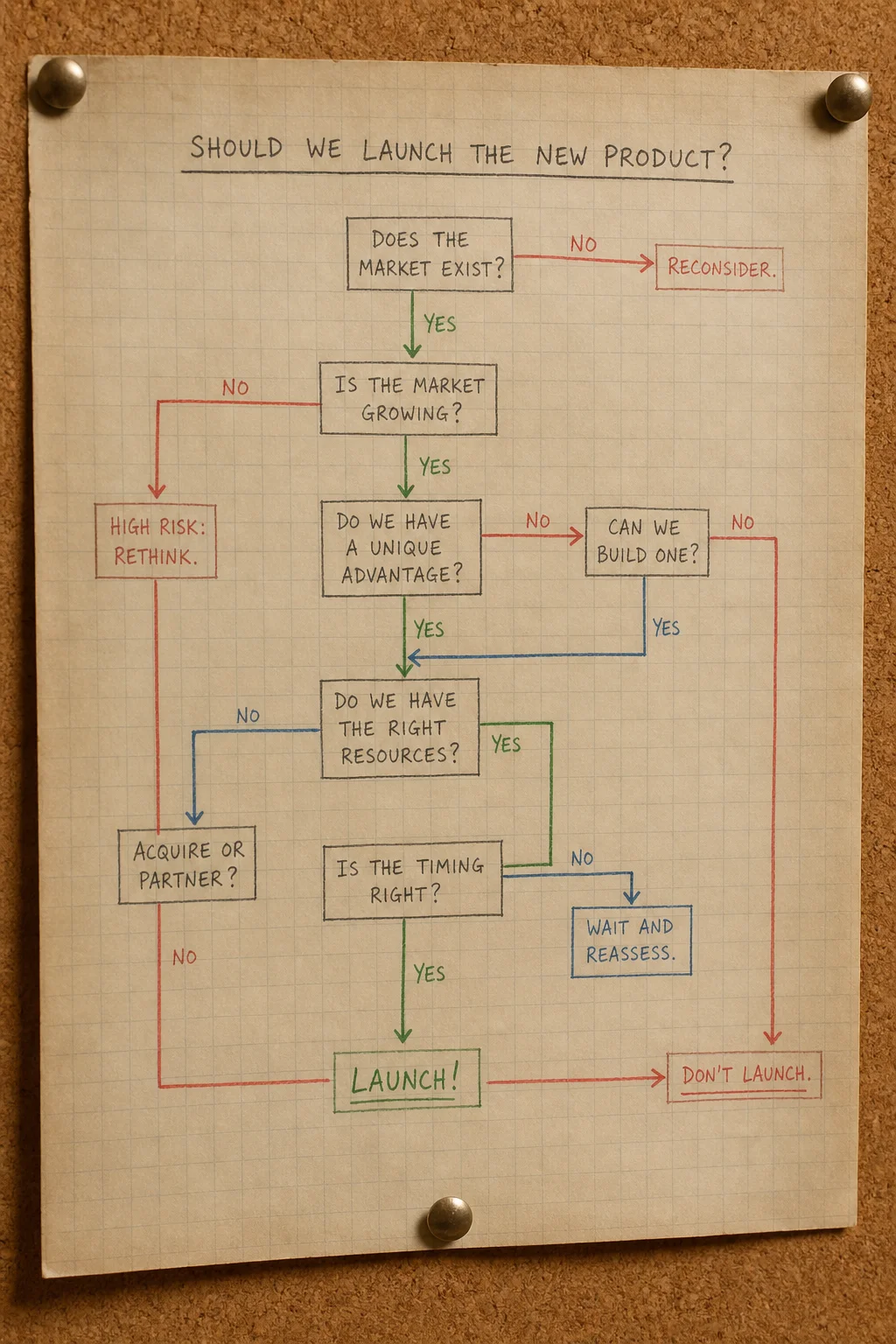
Many developers start by asking "which model is best," but there's no universal answer. Before choosing, answer three questions:
- What are you using it for? Chat, coding, document analysis, batch processing — different tasks have completely different requirements.
- How many calls per day? Occasional questions vs. millions of daily requests — cost differs by orders of magnitude.
- What latency is acceptable? Real-time chat needs second-level responses; data analysis can wait minutes.
Scenario 1: Chatbot / Customer Service
Needs: High frequency, fast response, low reasoning demands, cost-sensitive Recommended: DeepSeek V4 Flash (¥0.95/¥1.90/M) or Step 3.5 Flash (¥0.20/¥0.61/M)
Scenario 2: Coding / Code Generation
Needs: High reasoning, quality matters, many tokens per call Recommended: DeepSeek V4 Pro (¥2.96/¥5.92/M), quality-first: Claude Opus 4.7 (¥34/¥170/M)
Scenario 3: Long Document Analysis / Research
Needs: Ultra-long context, deep reasoning, low frequency Recommended: Claude Opus 4.7 (1000K context), budget: DeepSeek V4 Pro (1049K, 1/10 the price)
Scenario 4: Agent / Autonomous Systems
Needs: High-frequency loops, tool calling, cost is core concern Recommended: DeepSeek V4 Flash or GPT-5.5 Instant
Scenario 5: Batch Data Processing
Needs: Massive volume, varied complexity, cost is decisive Recommended: Step 3.5 Flash (¥0.20/M) for simple tasks, DeepSeek V4 Flash for complex ones
Scenario 6: Creative Writing / Content
Needs: High language quality, creativity, varied styles Recommended: Chinese: DeepSeek V4 Pro. English: GPT-5.5. Long-form: Claude Opus 4.7
Cost Optimization Tips
- Caching: DeepSeek and MiMo support prompt caching, saving 90% on repeated prefixes
- Routing: Dynamically select models based on task complexity
- Compress prompts: Shorter system prompts = fewer tokens = lower cost
- Batch APIs: Some providers offer batch APIs at 50% of real-time pricing