In AI, standard models, multimodal models, and embedding (Emb) models are three core yet easily confused types. This article systematically unpacks their essential differences across four dimensions—definition, primary function, technical characteristics, and application scenarios. Standard models are single-purpose processors that focus on specific tasks within a single modality; multimodal models are fusion processors that integrate and transform information across text, images, audio, and other modalities; embedding models act as information-to-vector converters, transforming diverse inputs into low-dimensional vectors that provide foundational support for other models. The piece also clarifies their collaborative relationships and common misconceptions, helping readers quickly identify each model’s role and choose the right model for different scenarios.
3/23/2026
22 views

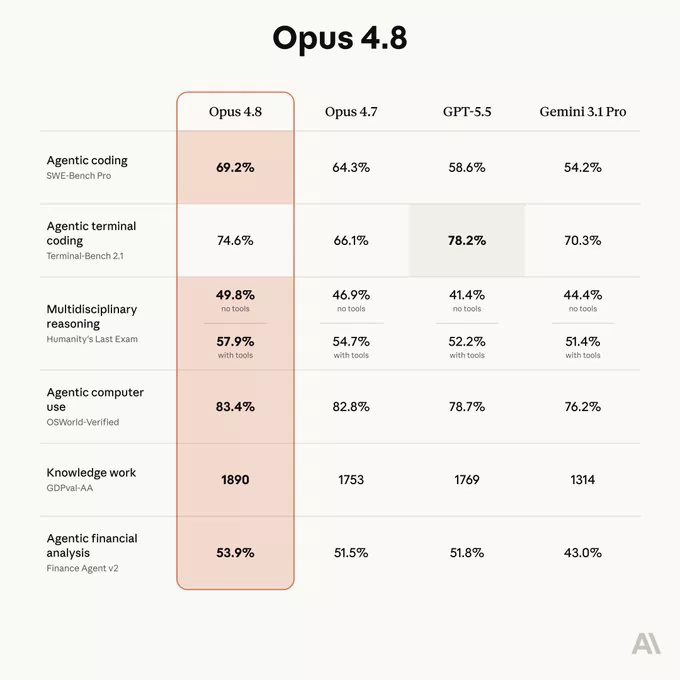
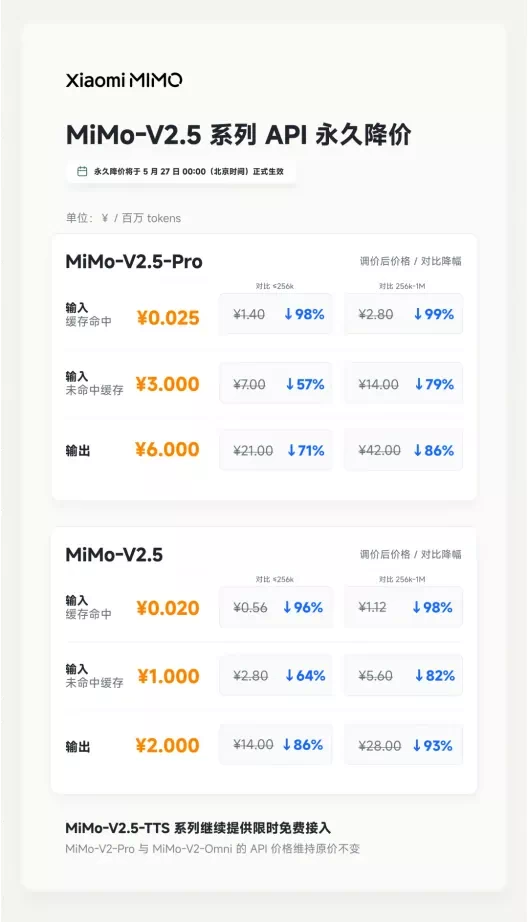
This article systematically compares the core capabilities of major AI foundation models in 2026 — including GPT-5, Claude 4.6, Gemini 3.1 Pro, and domestic offerings such as DeepSeek and Tongyi Qianwen. It covers key dimensions like programming, reasoning, multimodal performance, and pricing/costs, and includes detailed comparison tables. The analysis shows that domestic models are rapidly gaining ground thanks to open-source ecosystems and exceptional cost-effectiveness. The article concludes with concrete model-selection recommendations tailored to different use cases.
3/23/2026
179 views

This article provides an in-depth explanation of the "skill" concept commonly mentioned in AI: its relationship with model capabilities, tasks, and tools; common types and implementation patterns; how to design and evaluate a skill; and practical recommendations for deploying skills within products and teams. It is intended to help developers, product managers, and technical leaders gain a clearer understanding of modular approaches to AI capabilities.
3/22/2026
34 views

This article provides an in-depth analysis of the core drivers behind the growing trend of businesses expanding overseas. It explores the strategic value of a global footprint from multiple perspectives, including market saturation, technology spillover, brand elevation, and risk diversification. The piece not only examines the significant opportunities presented by international expansion but also objectively addresses the accompanying challenges, offering a comprehensive framework and actionable insights for companies currently navigating or planning their global journey.
3/20/2026
29 views

Combining geospatial (GEO) data with artificial intelligence is becoming a key way for enterprises to unlock new value, boost operational efficiency, and enhance risk management. This article systematically reviews GEO+AI—from technical principles and core capabilities to representative business scenarios, implementation priorities, and challenges—and maps application pathways across marketing, supply chain, urban management, agriculture, and energy, helping product and business leaders quickly identify opportunities and formulate executable deployment strategies.
3/19/2026
32 views