Tech news & AI articles - LinkWord
AI and tech news, product notes, and practical tutorials—curated long reads updated regularly.
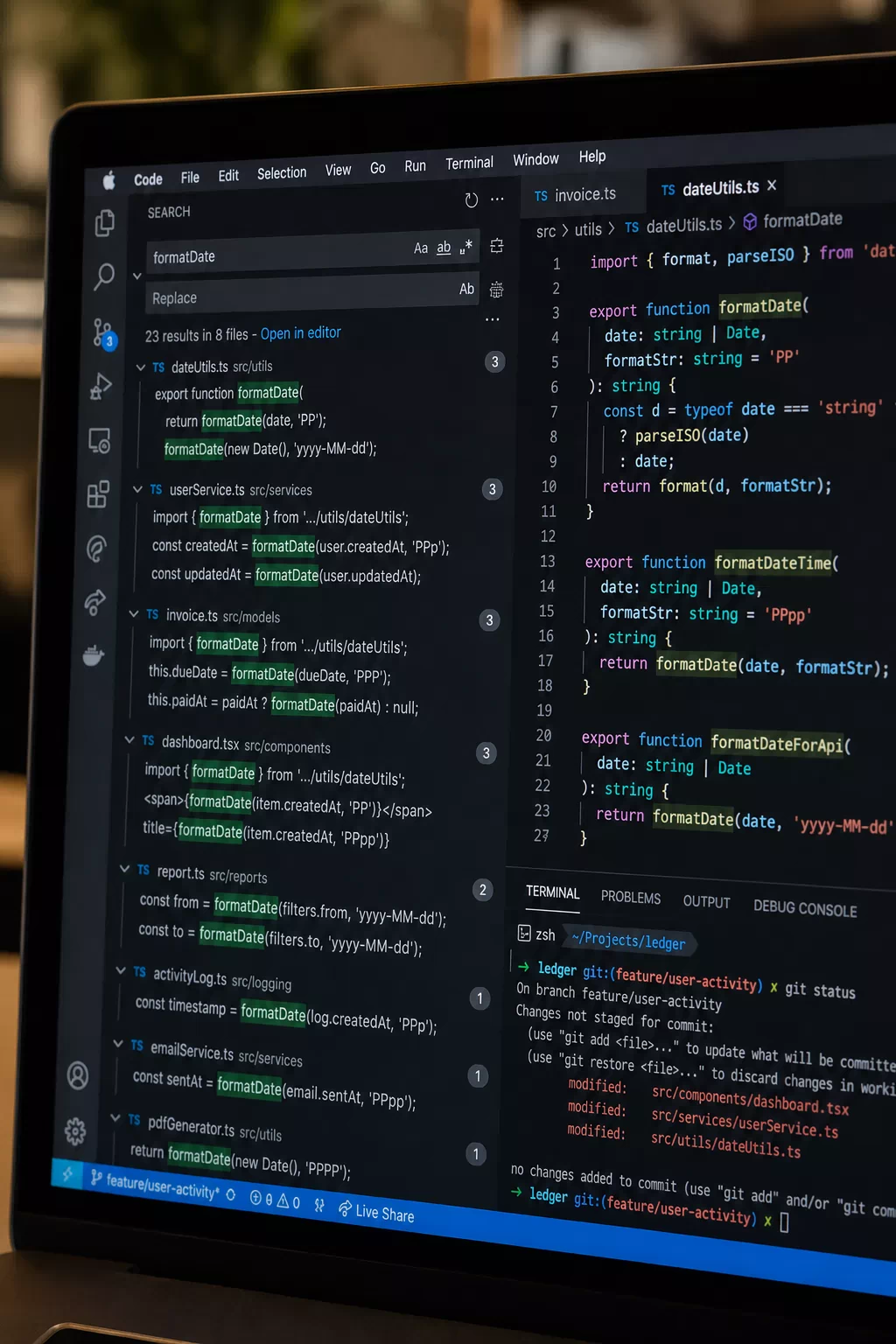
Semble: Code Search That Uses 98% Fewer Tokens
Semble is an open-source code search tool for AI agents that uses semantic search instead of grep+read, achieving 98% fewer tokens. Indexes repos in ~250ms, searches in ~1.5ms, runs entirely on CPU. MCP-compatible, works with Claude Code and Cursor. NDCG@10 of 0.854, 200x faster indexing than Transformer-based approaches.
5/19/2026
33 views
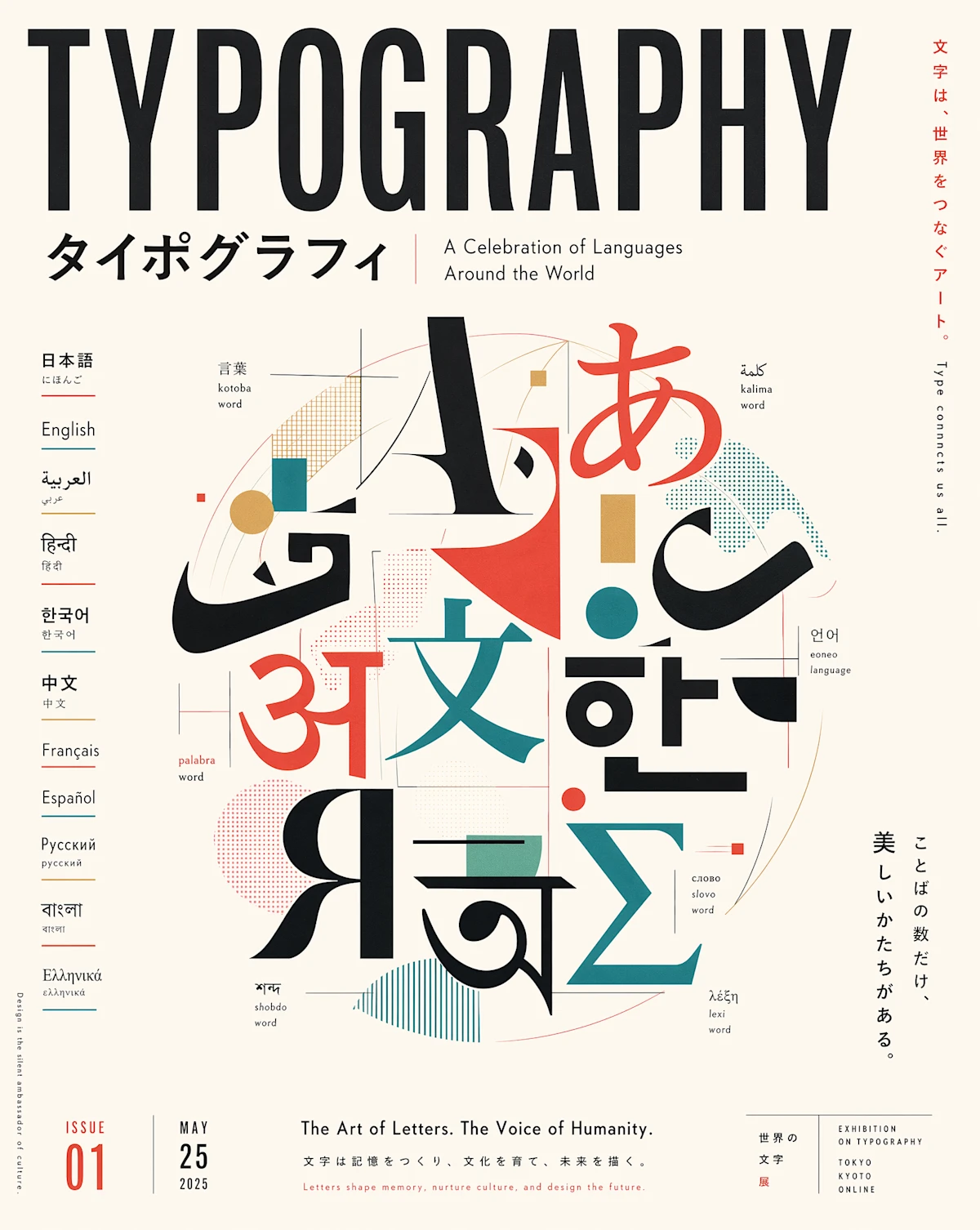
ChatGPT Images 2.0 Officially Released: When Image Models Learn to "Think," AI Design Enters the Productivity Era
On April 22, 2025 (local time), OpenAI officially launched its next-generation image generation model, ChatGPT Images 2.0 (codenamed gpt-image-2). This is not merely an improvement in resolution or style optimization, but a qualitative leap from a "rendering tool" to a "visual system." It introduces reasoning capabilities into image generation for the first time, supporting pixel-level text rendering and precise multi-language output, while also enabling web browsing, autonomous planning, and the generation of up to eight coherent images in a single pass under Thinking mode. From ranking first in three categories on the Arena leaderboard to OpenAI's self-deprecating Chinese comic demo "Steadily Catching You," Images 2.0 is redefining the ceiling of AI image generation.
4/23/2026
24 views
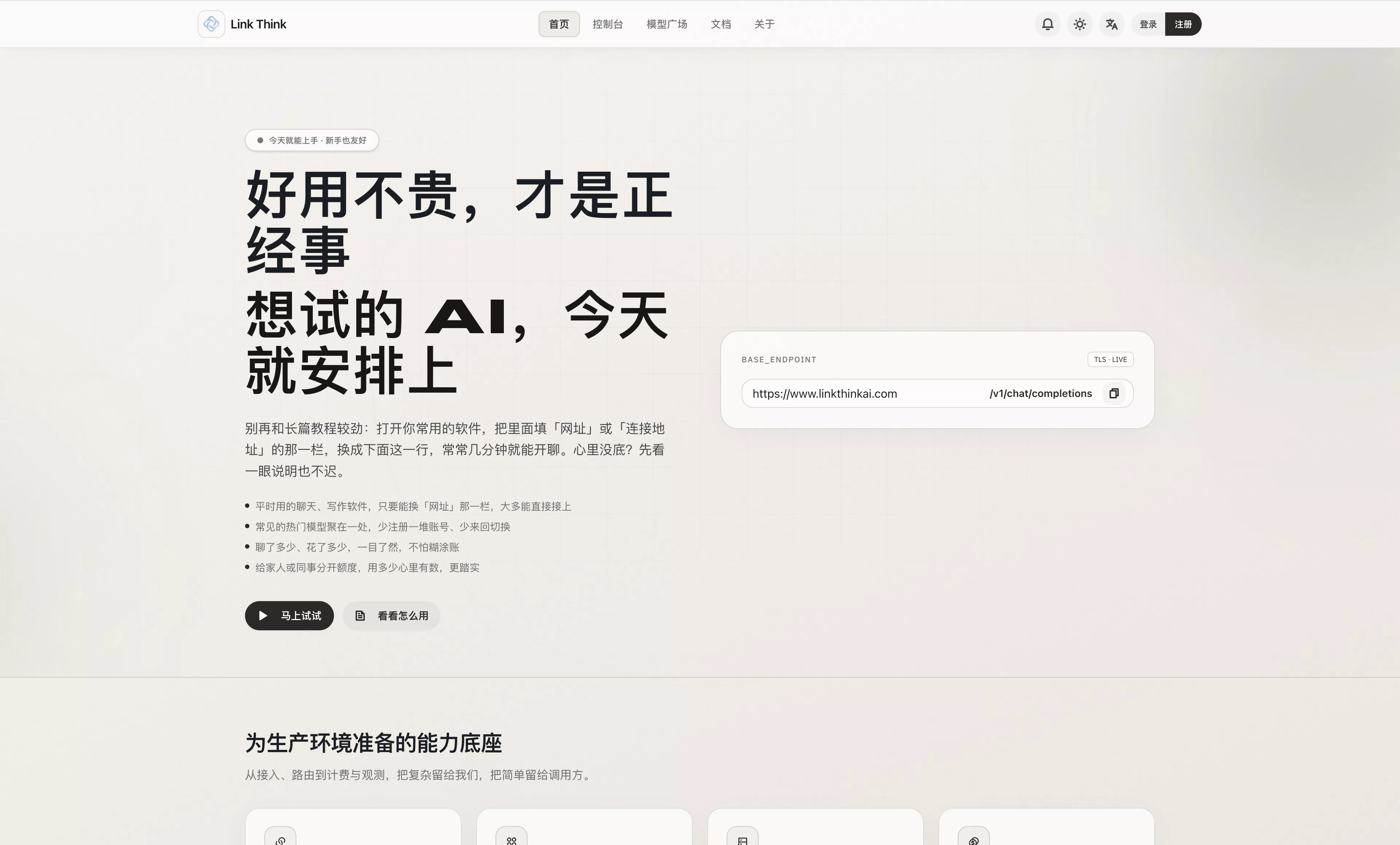
Link Think: One-Click Model Switching, Unlocking the New Era of Cost-Effective AI Integration
This article provides an in-depth review of Link Think, an AI capability aggregation platform. It details how this 'AI Gateway' leverages unified compatible APIs, multi-model aggregation, intelligent routing, and granular cost management to help developers and enterprises seamlessly, reliably, and cost-effectively integrate leading LLMs like OpenAI and Claude—achieving reduced costs, enhanced efficiency, and robust high availability.
4/23/2026
41 views

Claude Design: Anthropic Enters the Design Space, Reshaping Visual Creation Through Conversation
On April 17, 2026, AI powerhouse Anthropic officially unveiled Claude Design, a conversational visual creation tool powered by the Claude Opus 4.7 model. This launch signifies Anthropic's strategic pivot from a foundational model provider to a full-stack product company, directly challenging incumbents like Figma, Adobe, and Canva. Through natural language interaction, Claude Design empowers non-designers to rapidly generate professional-grade designs, prototypes, presentations, and marketing assets, while equipping professional designers with more efficient exploration tools.
4/20/2026
13 views

What is Accio Work? Which manual positions can it replace? Understand the true capability boundaries of Alibaba International's AI Agent in one article
Accio Work is an enterprise-level AI Agent platform launched by Alibaba International for global merchants. Its core positioning is not as a single chatbot, but as a "digital employee team" capable of executing tasks. It covers multiple stages including product selection, market analysis, website building, product listing, marketing promotion, supply chain collaboration, customer service, compliance, and financial processing. It is particularly suitable for cross-border e-commerce and small to medium-sized enterprises seeking business automation. From the perspective of "human replacement," Accio Work is most suitable for replacing jobs that are **highly repetitive, process-standardized, rule-based, and require 7×24 operation**. However, in scenarios involving complex negotiations, brand decision-making, customer relationship maintenance, and high-risk judgment, human involvement remains indispensable. More accurately, Accio Work does not simply "replace humans." Instead, it first replaces the **basic execution layer** in many positions, thereby pushing the human role towards **decision-making, aesthetics, trust-building, and exception handling**.
4/12/2026
77 views
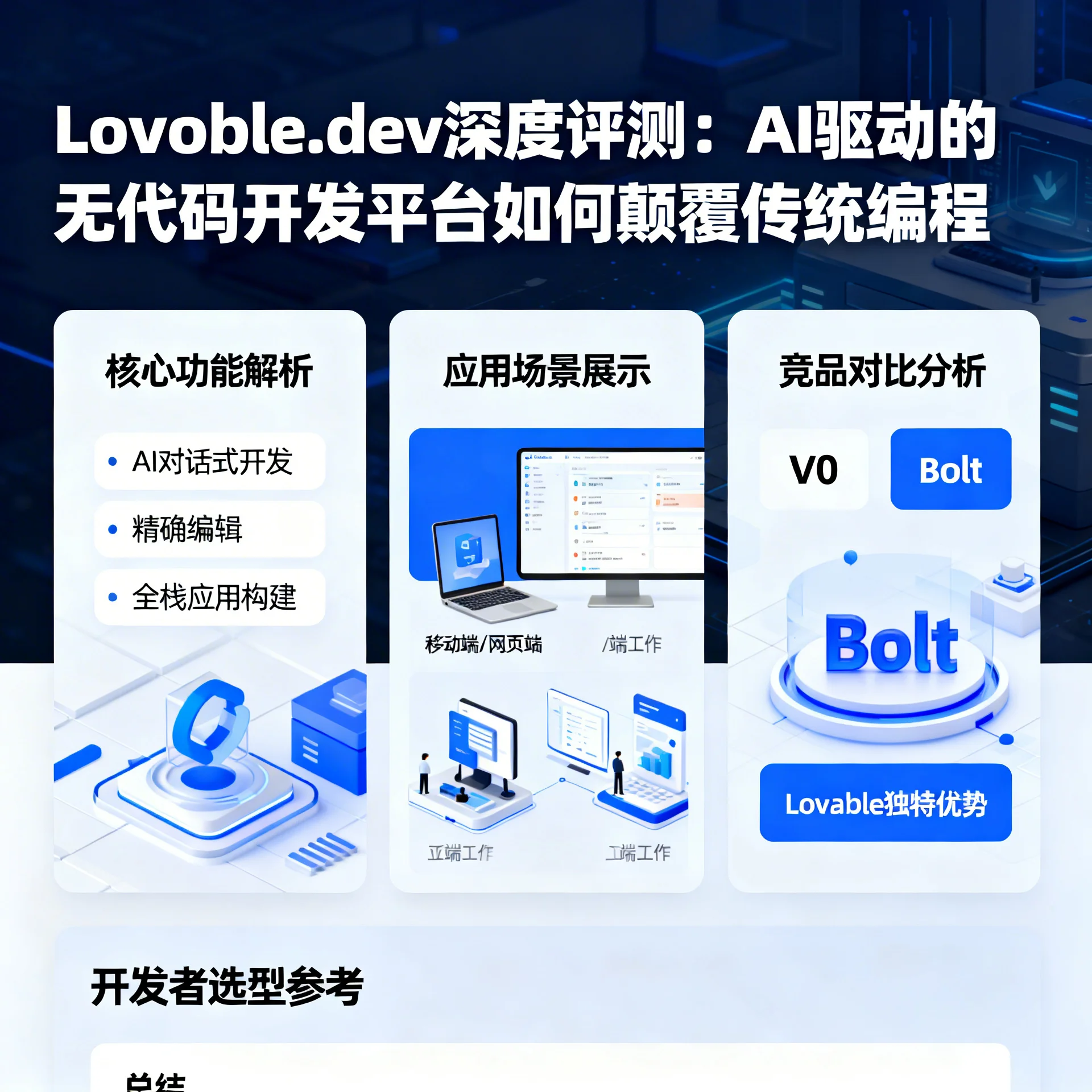
Lovable.dev In-Depth Review: How This AI-Driven No-Code Development Platform Disrupts Traditional Programming
This article provides an in-depth review of Lovable.dev, an AI-driven no-code development platform, detailing its core features, application scenarios, and the problems it solves. Through comparative analysis with competitors like V0 and Bolt, it reveals Lovable's unique advantages in AI conversational development, precise editing, and full-stack application building, offering developers comprehensive reference for platform selection.
4/5/2026
52 views

From Zero to One: How to Use OpenRouter to Call All Major LLMs with a Single API
Episode 1 — End decision paralysis: one API to the cutting‑edge LLM world. If you’re building AI applications, you’ve probably faced this tradeoff: GPT‑4 performs best but is costly; Claude is great for long-form text but requires a separate API application; open‑source models are cheap but need self‑hosting. Every provider has its own API format, billing model, and rate limits—integrating and maintaining multiple backends is a real headache. OpenRouter offers a simple solution: integrate one API and let it handle the rest. In this first installment of our recommendation series, we focus on the most practical questions: how to get started with OpenRouter as quickly as possible, and what “hidden” costs it can save you.
3/26/2026
91 views

Comprehensive Guide to Free AI Tools: How to Produce Anime Short Videos at Zero Cost
Worried about the budget for producing anime short videos? This article reviews five completely free AI tools that cover the entire workflow—from scriptwriting and character design to video generation, voiceover, and editing. No professional equipment or spending required: with just a computer or smartphone you can turn ideas into finished videos. Whether you’re making campus shorts, personal-IP content, or competition/coursework entries, this zero-cost playbook helps you get started easily. The article also includes practical cost-saving tips and monetization ideas so your work can be seen and generate value.
3/25/2026
81 views
OpenClaw: Your Next Digital Employee — Let AI Actually Do the Work
OpenClaw is an open-source, local AI agent framework that moves beyond passive conversation to proactive execution. It can obtain system-level privileges to act like a digital employee across applications, automatically handling emails, organizing files, managing calendars, and other complex tasks. The framework accepts commands via 20+ major messaging platforms and offers a community-driven skills marketplace for extensibility. The article notes that these high-privilege capabilities bring security risks and recommends deploying OpenClaw in a virtual machine and thoroughly auditing third-party skills; it also provides key quick-start steps to help beginners get up and running with automated office workflows.
3/23/2026
103 views
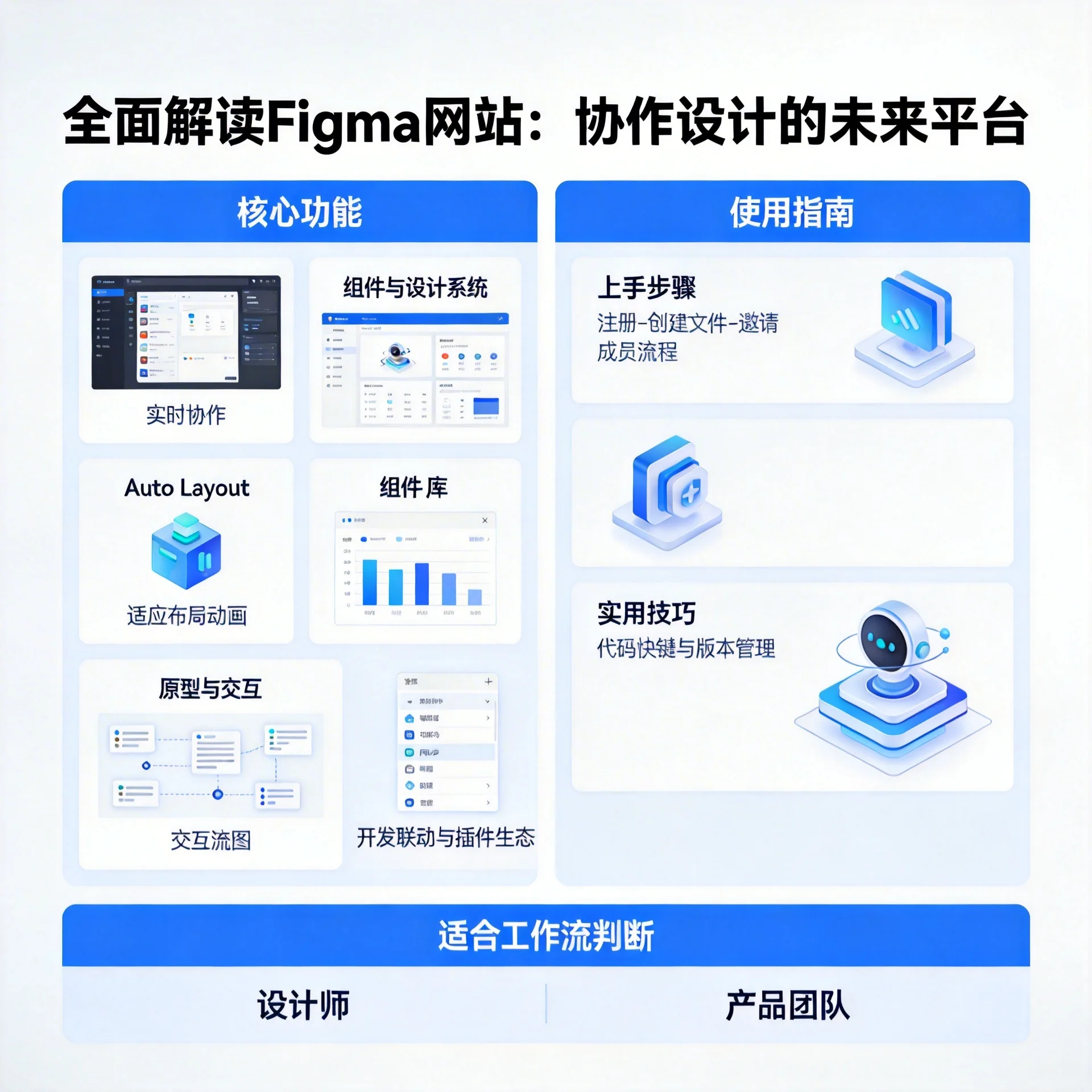
A Comprehensive Guide to Figma: The Future Platform for Collaborative Design
This article provides a systematic overview of the core features and use cases of Figma's web platform, including real-time collaboration, components and design systems, Auto Layout, prototyping and interaction design, developer handoff, and the plugin ecosystem. It also offers step-by-step getting-started instructions and practical tips to help designers and product teams quickly assess whether Figma fits their workflow.
3/22/2026
58 views