

NVIDIA Launches Nemotron 3.5 Lightning: Open 30B Agentic Model with 4x Faster Output
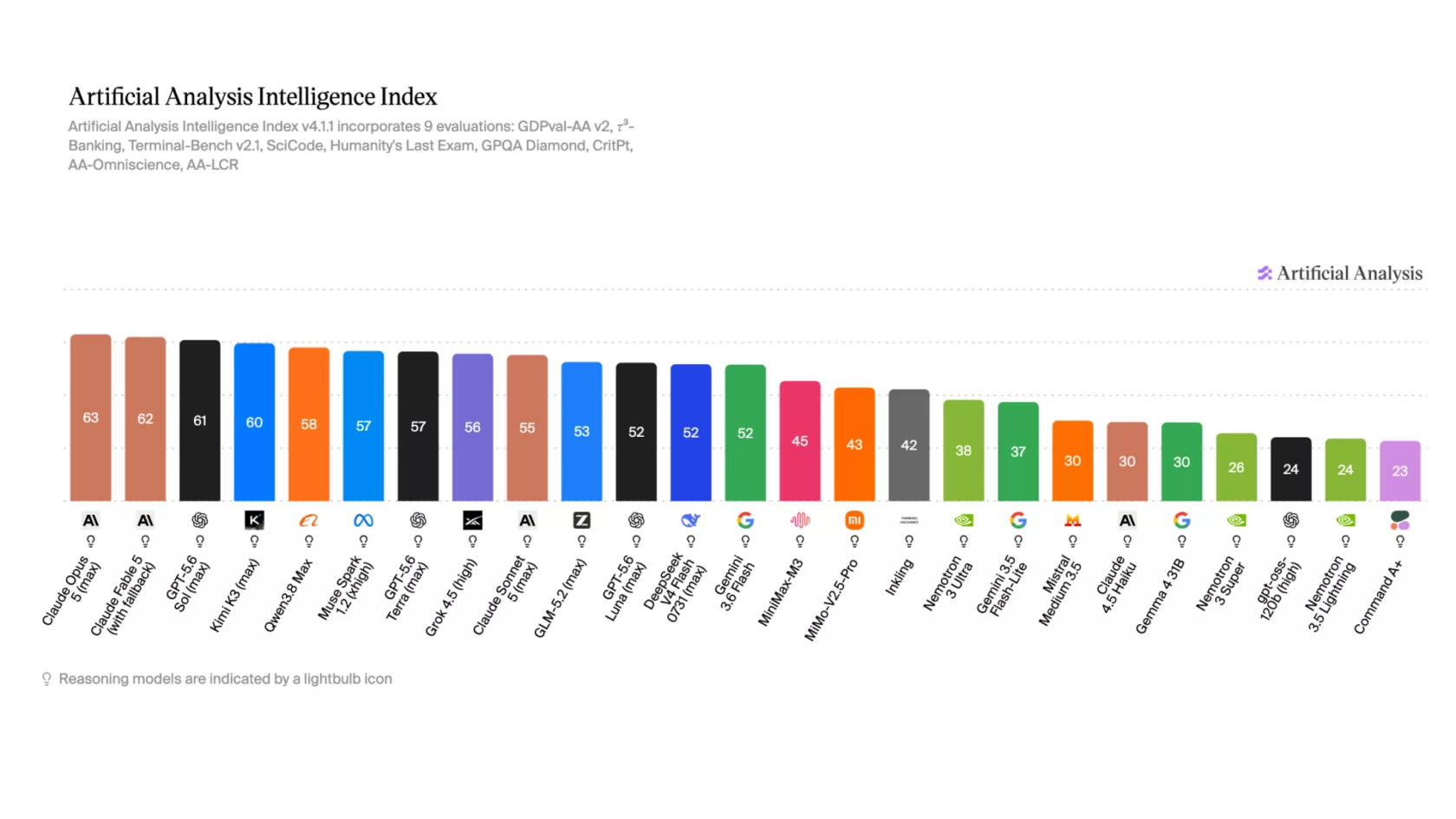
On August 11, NVIDIA announced Nemotron 3.5 Lightning, the newest addition to its Nemotron 3 family, alongside NeMo Switchyard, an open-source model routing library. NVIDIA positions the model as the most efficient open model in its class for long-running agentic AI workloads, aimed at high-volume specialized tasks inside always-on agents: code review, tool use, security alert monitoring, and billing questions.
30B total, 3B active, runs on a single GPU
Nemotron 3.5 Lightning is a mixture-of-experts model with 30B total and 3B active parameters, built on a hybrid architecture that interleaves Mamba-2, MoE, and Attention layers. Context length goes up to 1M tokens. NVIDIA ships BF16 and NVFP4 quantized checkpoints; the NVFP4 version deploys on a single DGX Spark (GB10) or H100, and also runs on Blackwell hardware such as the RTX 5090 and GB200. The model is licensed under OpenMDW-1.1 and is ready for commercial use.
Pre-training data has a September 2025 cutoff; post-training data runs through May 2026. As with every Nemotron launch, NVIDIA published the training data and recipes, and additionally released Nemotron-RL-Agentic-Terminal-Pivot, an agentic reinforcement learning dataset used to post-train the model for coding agent capabilities.
Official benchmarks: up to 4x faster output
NVIDIA's numbers: up to 4x faster output speed and roughly 30% faster agentic task completion versus other models in its class. On benchmarks, the NVFP4 checkpoint scores 83.43 on PinchBench, 52.80 on SWE-bench Verified, 81.62 on MMLU Pro, 75.57 on GPQA Diamond (no tools), and 36.81 on BrowseComp. These results come from NVIDIA's own evaluation harness and may differ from vendor-reported numbers.
Early adopters are already customizing it: CrowdStrike for cybersecurity, Harvey with Trajectory for legal services, CodeRabbit with Baseten for code review, and Lila Sciences for physical and life sciences. Fastino Labs customized the model for software development, finance, and healthcare workloads and reports leading accuracy on its specialized tasks.
NeMo Switchyard: routing each request to the right model
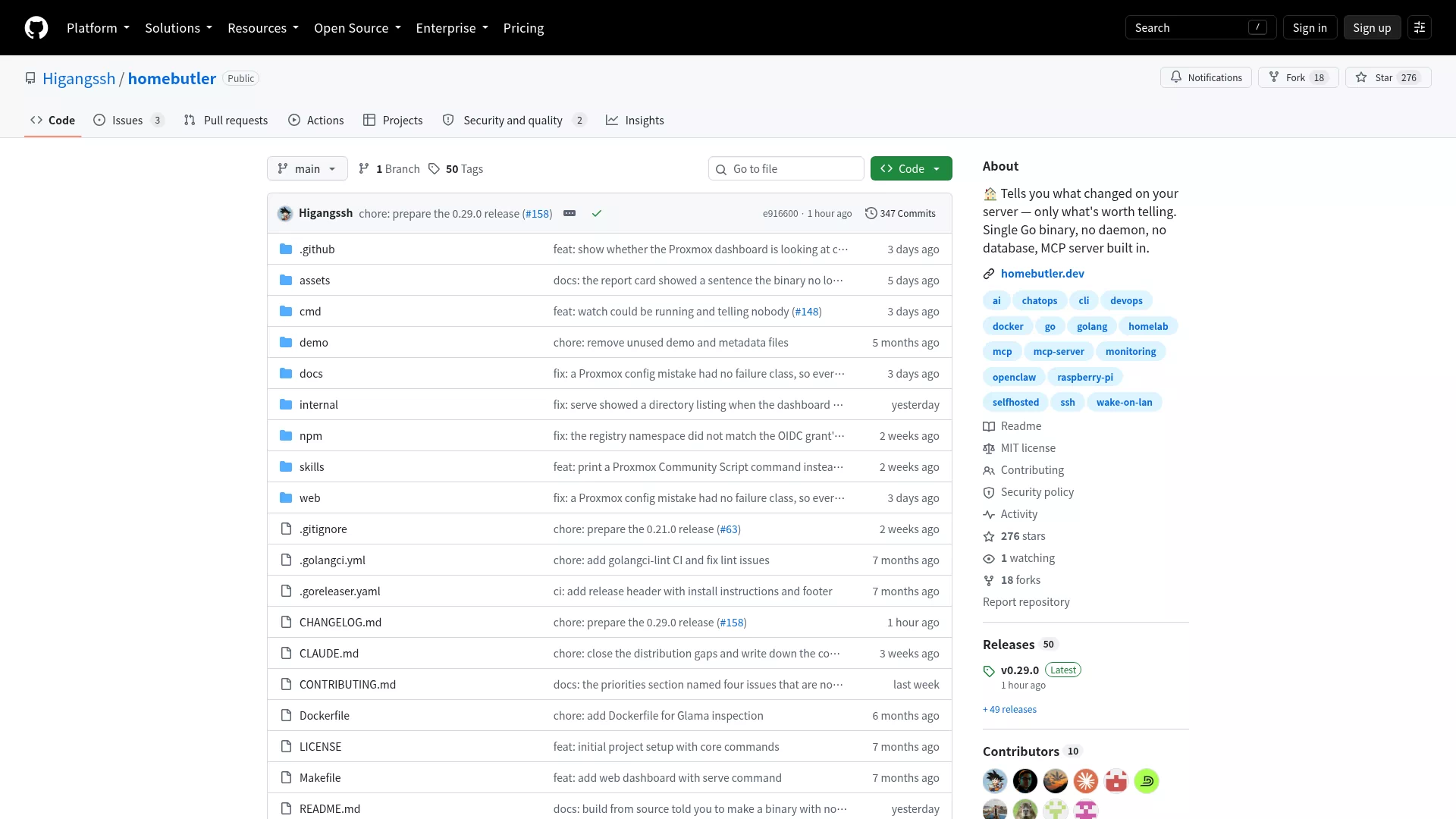
Switchyard is an open-source Rust proxy and library under Apache 2.0, hosted on GitHub. It translates between OpenAI Chat, Anthropic Messages, and OpenAI Responses formats, spreads traffic across backends, and ships several routing strategies (random, LLM-as-classifier, signal-driven stage router), plus hooks for custom algorithms. It's pre-alpha software, and NVIDIA explicitly warns against using it in production.
The pitch is cost. NVIDIA's internal benchmarks show Switchyard maintains frontier-level accuracy while cutting task completion cost to nearly one-third of using Opus 4.8 alone. Partner data points: LangChain cut cost by 74% across 145 multi-turn Deep Agents tasks (routing only 7% of calls to a frontier model, at a 6% accuracy tradeoff), Ramp cut cost by 58% and runtime by 33% on its SWE-Bench run, and Cognition integrated the staged router into Devin Desktop with a 28% mean cost reduction. Nous Research integrated Switchyard into Hermes.
Pricing and availability
The model is live on Hugging Face, ModelScope, OpenRouter, and build.nvidia.com as an NVIDIA NIM microservice. OpenRouter lists it at $0.10 per million input tokens and $0.25 per million output tokens (≈¥0.73 / ≈¥1.83), with a free variant offering 1M context. For local deployment, it runs on RTX PCs, DGX Spark, DGX Station, and Jetson.
Why it matters
The open agentic model space is heating up. Meta open-sourced Muse Glimmer, a 30B on-device agentic model, on August 11 as well, and NVIDIA has been filling out the Nemotron 3 family from Nano to Lightning. The 30B-total/3B-active recipe fits on personal hardware while the MoE architecture keeps throughput high. For teams building agent products, the routing layer may end up being a more practical cost lever than the model itself.